Working with an anxiety coach can help you build resilience and achieve long-term results. Developing self-awareness supports anxiety management; it allows you to cultivate a sense of daily calm, contributing to lasting stress relief. Here's information about anxiety coaches and how they can assist with managing everyday stress:
Defining Anxiety Coaching
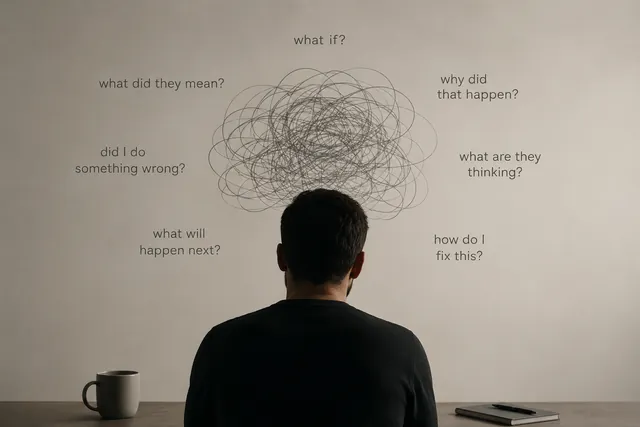
Anxiety coaching is a forward-focused approach that helps you understand anxiety and how your responses to it influence long-term management. Rather than analyzing the past, coaches focus on current thought patterns and behaviors. Identifying emotional triggers helps create an everyday strategy that includes interrupting anxious spirals and regulating the nervous system.
Managing everyday stress, such as facing fear or fear-inducing situations, with a stronger sense of control is possible. An anxiety coach helps shift the focus from simply managing anxiety to building a life guided by resilience, purpose, and clarity. This approach views anxiety as more than something to cope with indefinitely, and it allows you to reconnect with your values. You can then develop practical skills that change how you respond to fear and uncertainty.
Choosing Action Over Analysis
Some coaches utilize exposure therapy to help individuals directly confront their fears and anxieties. This therapy occurs in a controlled and supportive environment, and the method involves a gradual process of facing thoughts or situations that create anxiety. With this approach, you can reduce the power certain emotions have over you and begin training your brain to respond to triggers in healthier ways. Professional coaching helps break damaging cycles of anxiety and avoidance. Exposure therapy provides tools to reduce the intensity of fear and anxiety, helping you better handle real-world situations.
Identifying the Power of Self-Awareness
Coaches use techniques such as identifying unrealistic expectations and recognizing cognitive distortions that fuel anxiety. Identifying stress patterns and physiological responses can lead to a deeper understanding of anxiety and increased awareness of personal triggers. Cognitive-Behavioral Therapy (CBT) helps challenge harmful thought patterns that contribute to emotional struggles such as anxiety and depression.
CBT works to reshape negative thoughts and behaviors, and this allows you to better regulate your emotional well-being. Structured exercises help replace automatic, reactive responses with healthier, more constructive thoughts. Personalized coaching can lead to lasting mental and emotional resilience.
This is also where progress starts to be measurable. When an automatic reaction gets replaced by a response you actually chose, you can point to it. Decisions get more consistent, because you are no longer making them from whatever the nervous system happened to be doing that morning.
Building Skills for Daily Calm
Coaches use evidence-based tools to introduce structure and help manage moments of overwhelm. Mindfulness, focused breathing, and time-management strategies focus on the “how” of coping with anxiety. Holistic medicine and natural remedies can complement therapeutic interventions, supporting your overall well-being. Herbal supplements, nutritional adjustments, and other holistic treatments help personalize your approach; they address both mental and physical aspects. This creates a tailored plan that meets your unique needs.
The point of all of it is a toolkit you can actually use where the stress happens: at work, at school, in a conversation you were dreading, or standing in a checkout line when your chest tightens for no obvious reason. Tools that only work in a quiet room are not much help. Tools built around your real week tend to stick.
Schedule Your Personalized Consultation
Working with an anxiety coach can help you navigate everyday stress, whether caused by work, school, or social situations. Scheduling a personalized consultation allows you to explore strategies for overcoming challenges, and it leads to a personalized plan for long-term anxiety management. Visit Anxiety Coach.ing today to schedule a consultation and find an ideal path to lasting results.