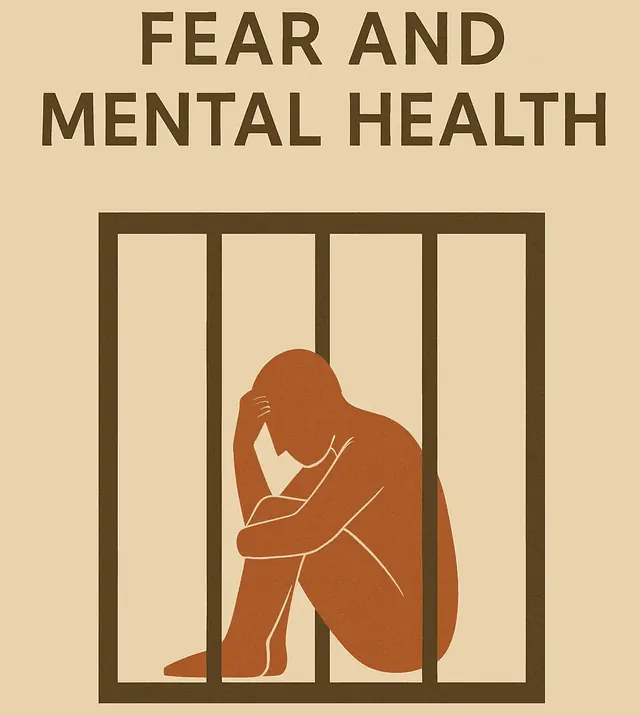
I used to think stress was just a moment. A spike in heart rate. A tightening in the chest. Something you get over once it passes. This research shows something much deeper. Stress is not just an event. It is part of how your brain wires itself based on what you have survived.
The study examined how brain networks shaped by past trauma respond to new, mild stress. What they found is fascinating. The brain circuits that predicted prior trauma exposure actually reduced their connectivity when exposed to acute stress. That reduction was not random. It appeared to be adaptive.
In simple terms, when someone with a trauma history experiences stress, the brain does not automatically react in the same rigid way every time. Instead, certain networks adjust how strongly they communicate. These include regions involved in emotion, attention, awareness, and self-referencing such as the salience network and default mode network.
Here is the part that matters. In individuals with prior stress exposure, this decrease in trauma-linked connectivity after acute stress was associated with fewer depressive symptoms. That suggests something important. The brain may not just get stuck in trauma patterns. It may actively shift its wiring under stress in a way that protects mood.
This challenges the narrative that trauma permanently locks the brain into dysfunction. Trauma absolutely leaves marks. But those marks do not always mean rigidity. Under certain conditions, those same neural pathways can shift their mode of operation.
Stress is not static. Your brain learns from what it survives. It encodes patterns. But it also adapts those patterns when new stress appears. The same circuitry that once kept you hypervigilant might reduce its intensity in response to manageable stress.
That is not weakness. That is plasticity. Plasticity means the brain changes based on experience. Even networks shaped by adversity are capable of recalibrating.
For anyone working through anxiety, depression, or trauma, this matters. It suggests that exposure to tolerable stress combined with safety may actually promote adaptive neural shifts. The goal is not to eliminate stress entirely. The goal is to build capacity.
Your brain is not broken because it adapted to survive. And it is not frozen in that adaptation forever. It is dynamic. It responds. It adjusts.
Healing is not about erasing the past. It is about allowing the nervous system to experience stress in a new context so that the wiring can update.
That is neuroscience catching up to what many of us already experience in recovery. Growth is not the absence of stress. It is the ability to metabolize it differently over time.